
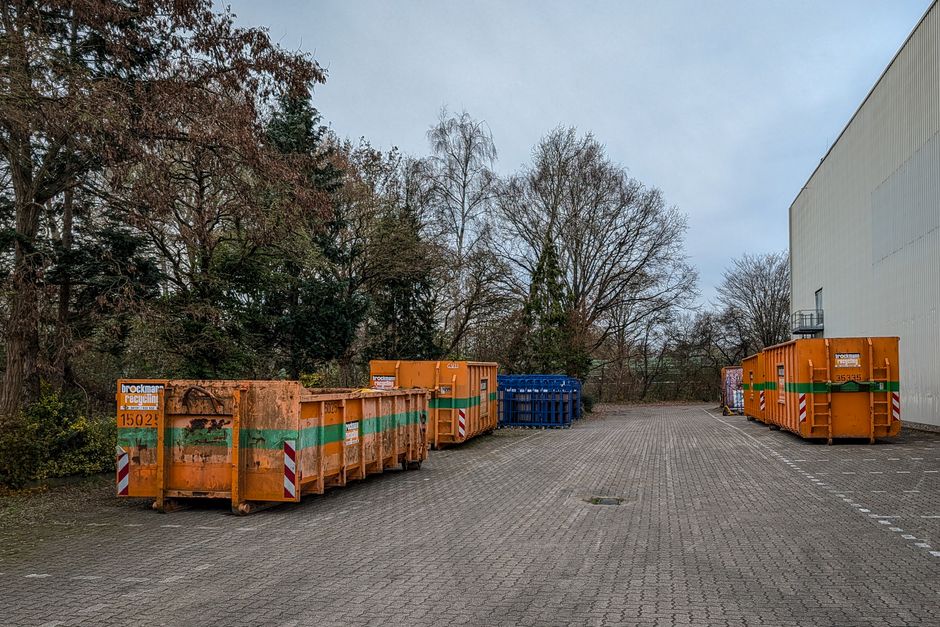
As a waste management operations manager, you know that moment when everything speeds up: an overflowing bin, a broken compactor, a municipality demanding its indicators. IoT in waste management is not a futuristic promise: it is a concrete response to these daily challenges. Let’s see how.

The invisible challenges of the operations manager
Behind the numbers on a dashboard, there is a whole ecosystem that must function smoothly. The operations manager is the invisible architect of urban cleanliness and industrial waste management. Their missions are multiple: planning routes, monitoring compactor fill levels, managing unexpected breakdowns, and producing reliable reports for management and partner municipalities.
Without real-time data, these missions rely on experience and intuition. But when a site goes from 30% to 90% fill level in a single day — which happens during seasonal changes or cleaning operations — schedules become obsolete within hours. This is precisely where IoT in waste management brings immediate value.
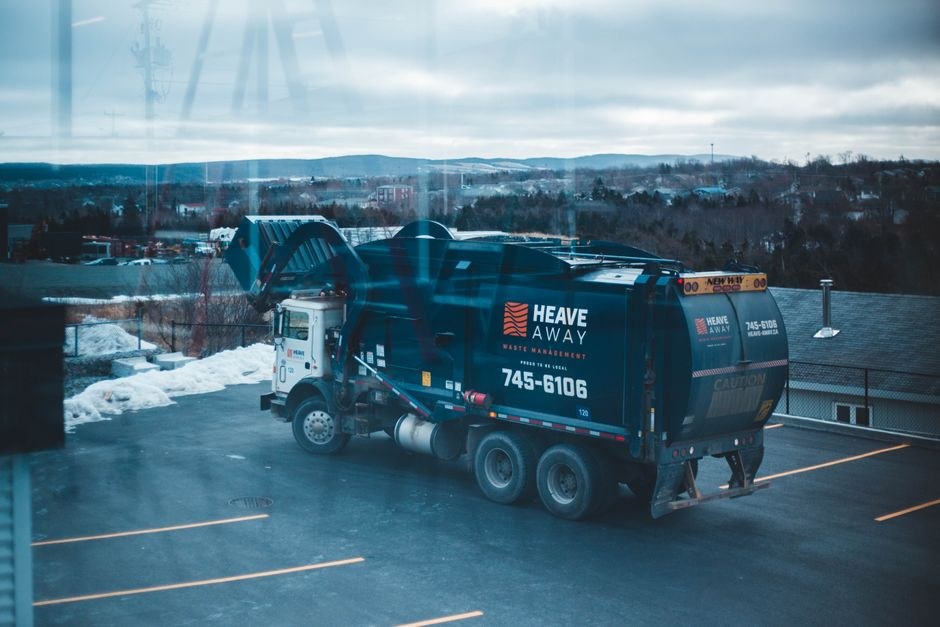
IoT in waste management: optimizing routes
By equipping compactors and bins with communicating sensors, it becomes possible to know in real time the fill level, internal temperature, and mechanical condition of each piece of equipment. Concretely, the operations manager can:
- Trigger collection only when the compactor reaches a defined threshold, instead of running a fixed route twice a week
- View the entire fleet on an interactive map, with alerts signaling critical situations
- Prioritize interventions based on real urgency, not an arbitrary schedule
- Reduce the number of passes by 20 to 30%, with direct benefits on fuel and emissions
Operators who adopt IoT in waste management report a significant decrease in overflows — one of the main reasons for complaints — while lightening the workload of their field teams.
Predictive maintenance: anticipate rather than undergo
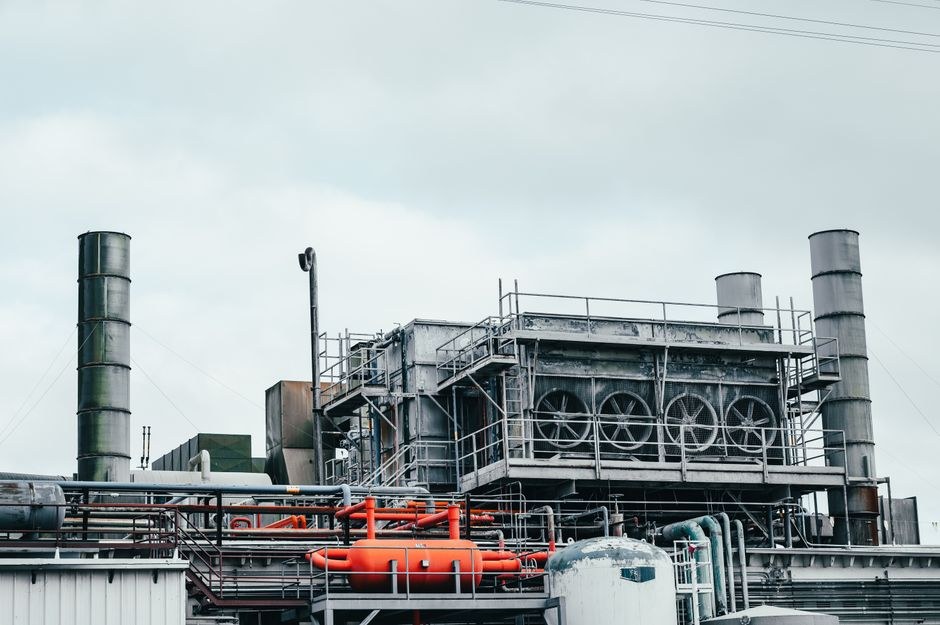
Nothing is more costly than a broken compactor in the middle of summer. Reactive maintenance — waiting for a breakdown to intervene — generates collection stoppages and technicians called in urgently. IoT enables a shift to predictive maintenance: sensors continuously report health indicators (vibrations, motor temperature, pressure cycles).
Analysis of this data makes it possible to anticipate failures. The manager receives a “preventive check within 7 days” alert — time to schedule the intervention without urgency or extra cost. For industrial maintenance teams, this is a paradigm shift: instead of chasing breakdowns, you stay ahead of them.
Transparent reporting for your partners
Municipalities and contracting authorities demand precise indicators: tonnages collected, CO2 emissions, fill rates. Without a reliable measurement system, this data is estimated — and estimates create friction during steering committee meetings.
With connected equipment, each piece of data is timestamped and automatically uploaded. The operations manager can produce granular reporting: by site, by route, by period. This level of transparency strengthens their credibility with management and partners. Gone are the approximations: decisions are based on measurable facts.
To learn more about performance indicators, the ADEME website offers useful resources on waste management best practices.

🔧 Do you manage a compactor fleet? Discover our dedicated IoT remote management solution: real-time monitoring, email alerts, next fill prediction.
Conclusion
The waste management operations manager profession is evolving rapidly. IoT in waste management is not a futuristic promise: it is a concrete tool that responds to the daily challenges of the field. Route optimization, predictive maintenance, reliable reporting — each connected building block eases a pressure that only those who practice this profession truly understand.
And you, in your operations, which indicators do you miss the most on a daily basis? Which processes would you like to be able to track in real time?
— IOTINNOV
À lire aussi
- Industrial waste compactors: complete guide to types, selection criteria and m
- Edge Computing for Industrial IoT: Architecture, Protocols, and Deployment Str
- Professional Embedded Debugging: JTAG, OpenOCD and GDB — The Complete Workflow
Un besoin similaire sur votre parc ?
Échangeons 10 minutes — sans engagement
Parlons de votre besoin →