
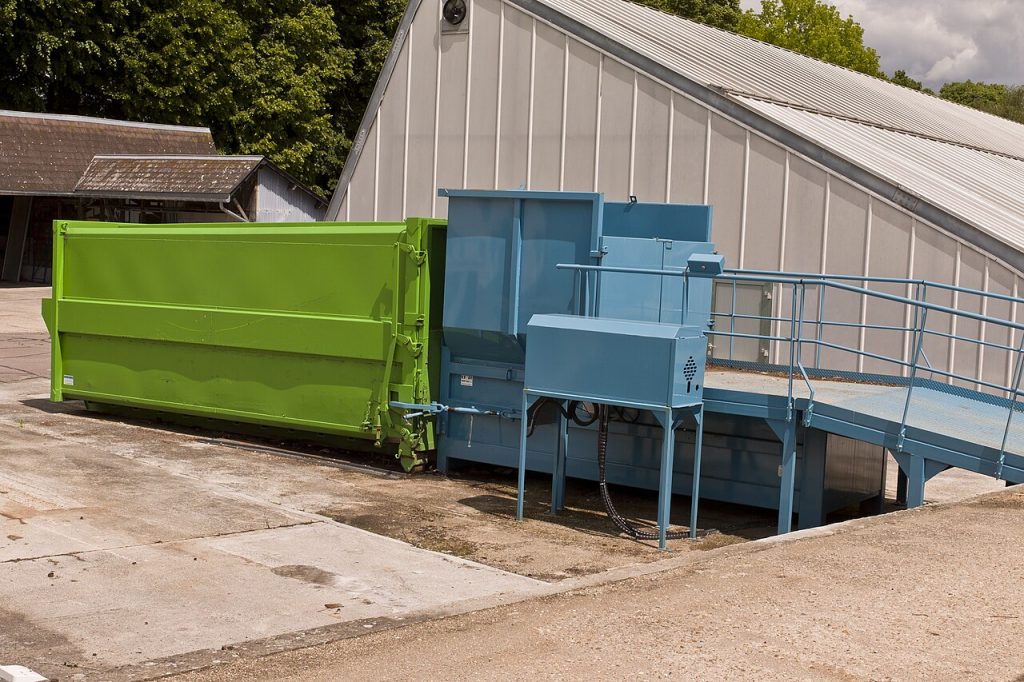
The park of compactors used by a municipality or waste manager operates continuously, but monitoring remains fragmented. When a compactor reaches its filling limit on a Saturday afternoon, no one is on duty. The alert doesn’t come, the emptying schedule is delayed until Monday, and the site is blocked for several hours. The cost of an emergency intervention far exceeds that of preventive monitoring. This is not an isolated case: it happens every week in parks where supervision still relies on physical visits or telephone reporting.
In territories outside the national territory, the situation is even more delicate. Distances increase, emptying routes are less regular, and lack of real-time visibility pushes teams to anticipate based on old data. A compactor that goes beyond the 3/4 full threshold without an alert becomes a logistical risk: the bin overflows, the site becomes inaccessible, and intervention requires an unexpected trip. This is not a rare occurrence — it happens weekly in parks where supervision still depends on physical visits or phone reports.
The real challenge is not adding another sensor. It is moving from a periodic visit logic to an event-driven logic. Every time the filling threshold is exceeded, an immediate alert must be generated, with the site location and detected level. This responsiveness transforms maintenance from a reactive constraint into a predictable process.
The operation of a proven compactors telemanagement platform relies on three simple elements. Sensors continuously measure filling level, bin presence, and tension status. An event-based alert system transmits each state change as soon as it occurs, without waiting for the end of a collection cycle. Finally, a central dashboard aggregates this information by site, enabling optimized routes and avoiding unnecessary trips. This approach does not replace field teams: it gives them reliable data to decide when and where to intervene.
The benefits are measurable, without inventing client numbers. Emergency interventions decrease because the full threshold is detected before it becomes blocking. Routes are better planned because each alert carries an exact geographic position and filling level. Team time is redirected toward preventive maintenance tasks rather than unexpected breakdowns. And most importantly, the risk of site unavailability at the most critical times — weekends or peak periods — is reduced.
For a park manager, the choice is not between monitoring or not monitoring. It is between monitoring through visits that arrive too late, and monitoring through signals that arrive at the right moment. The proven compactors telemanagement platform (sensors + supervision), which we can adapt and scale to your needs, meets this expectation: giving your teams immediate visibility on each site, without waiting for the next visit. This is a change of method, not just adding equipment.
This adaptation also applies to situations where the park is spread across multiple sites, or where waste collection logistics depend on a subcontractor. In these cases, shared real-time information between the site and the route manager avoids coordination errors and empty trips. The goal remains the same: a park that operates without interruption, with clear and immediate data for every maintenance decision.
À lire aussi
Un besoin similaire sur votre parc ?
Échangeons 10 minutes — sans engagement
Parlons de votre besoin →