
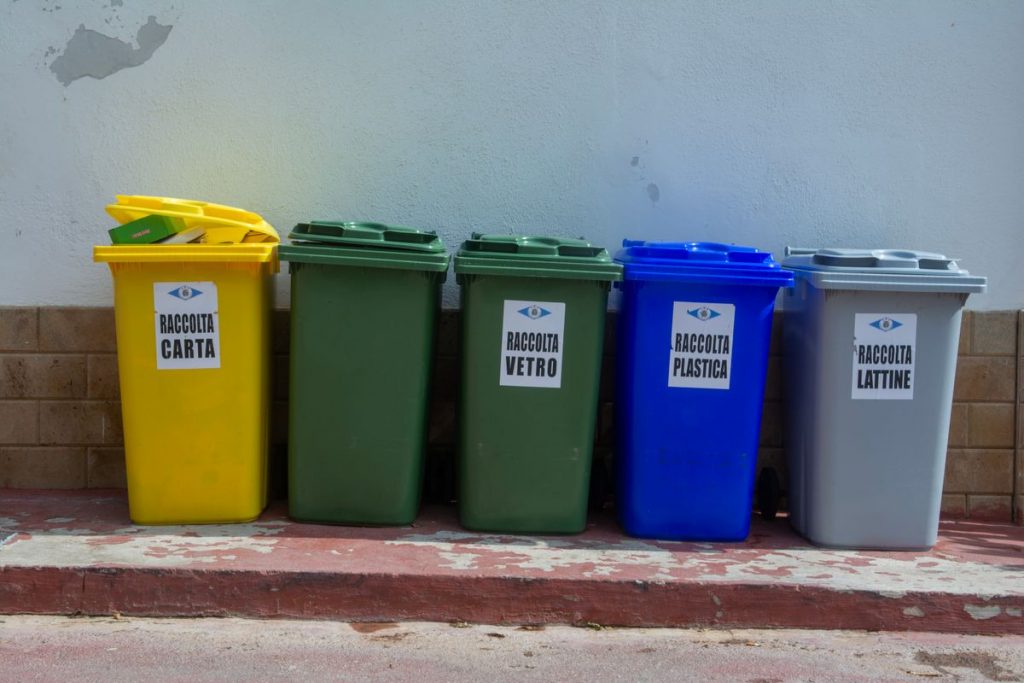
The Silent Challenge of Modern Waste Management
For municipalities and waste management companies, collection operations represent a significant share of operating budgets. Yet most waste containers still operate “blind” — no one knows their actual fill level until the truck arrives on site.
This lack of visibility has direct consequences: bins emptied when half-full (wasted fuel and labor), overflow incidents going undetected (fines, citizen complaints), and costly reactive maintenance when equipment breaks down without warning. In an era of tightening budgets and environmental regulations, this inefficiency is no longer acceptable.
How IoT Is Transforming Waste Operations
The Internet of Things offers a concrete answer to these challenges. By equipping containers and compactors with connected sensors, operators gain real-time visibility across their entire equipment fleet.
- Fill-level monitoring — each bin transmits its fill rate, triggering collection only when truly needed
- Anomaly detection — abnormal temperature (fire risk), impacts (vandalism), or unauthorized opening alerts
- Next-full prediction — historical data enables forecasting of emptying needs days in advance
- Route optimization — drivers receive dynamic routes based on actually full bins, reducing mileage
- Preventive maintenance — sensors detect early warning signs (abnormal vibration, motor temperature) before a failure becomes critical
Measurable Results in the Field
Organizations that adopt these solutions see tangible benefits. Fewer collection trips mean lower fuel consumption and reduced CO₂ emissions — often by 20-30%. Equipment lasts longer as preventive maintenance replaces costly emergency repairs. Overflow incidents drop dramatically, improving public satisfaction.
For citizens, the improvement is equally real: no more overflowing bins in public spaces, containers always available when needed, and a cleaner, more pleasant urban environment.
Beyond Waste: Agriculture, Buildings, Smart Cities
The same principles extend to other sectors. In agriculture, connected sensors monitor water tank or fertilizer levels. In buildings, they track energy consumption and detect leaks. Within the broader smart city framework, IoT becomes the invisible infrastructure making cities more efficient and sustainable.
The technology is mature — sensors, connectivity, and management platforms exist today. What makes the difference is the ability to integrate them intelligently with existing business processes and to bring teams along in this transformation.
Getting Started
The first step is auditing your equipment fleet and identifying the most urgent pain points: inefficient routes, recurring breakdowns, lack of reliable data. From this diagnosis, a tailored, scalable solution can be deployed progressively.
If you would like to learn more about how IoT can transform your equipment management and reduce operating costs, the IOTINNOV team is here to help analyze your needs and deploy custom solutions. Feel free to reach out to discuss your project.
To go further on the equipment side, see how we monitor waste compactors remotely. At equipment level, this is what we do on waste compactors — and on mobile fleets exposed to theft. Un besoin similaire sur votre parc ? Échangeons 10 minutes — sans engagementÀ lire aussi